Living With a Toller
Is a Nova Scotia Duck Tolling Retriever Right for You?
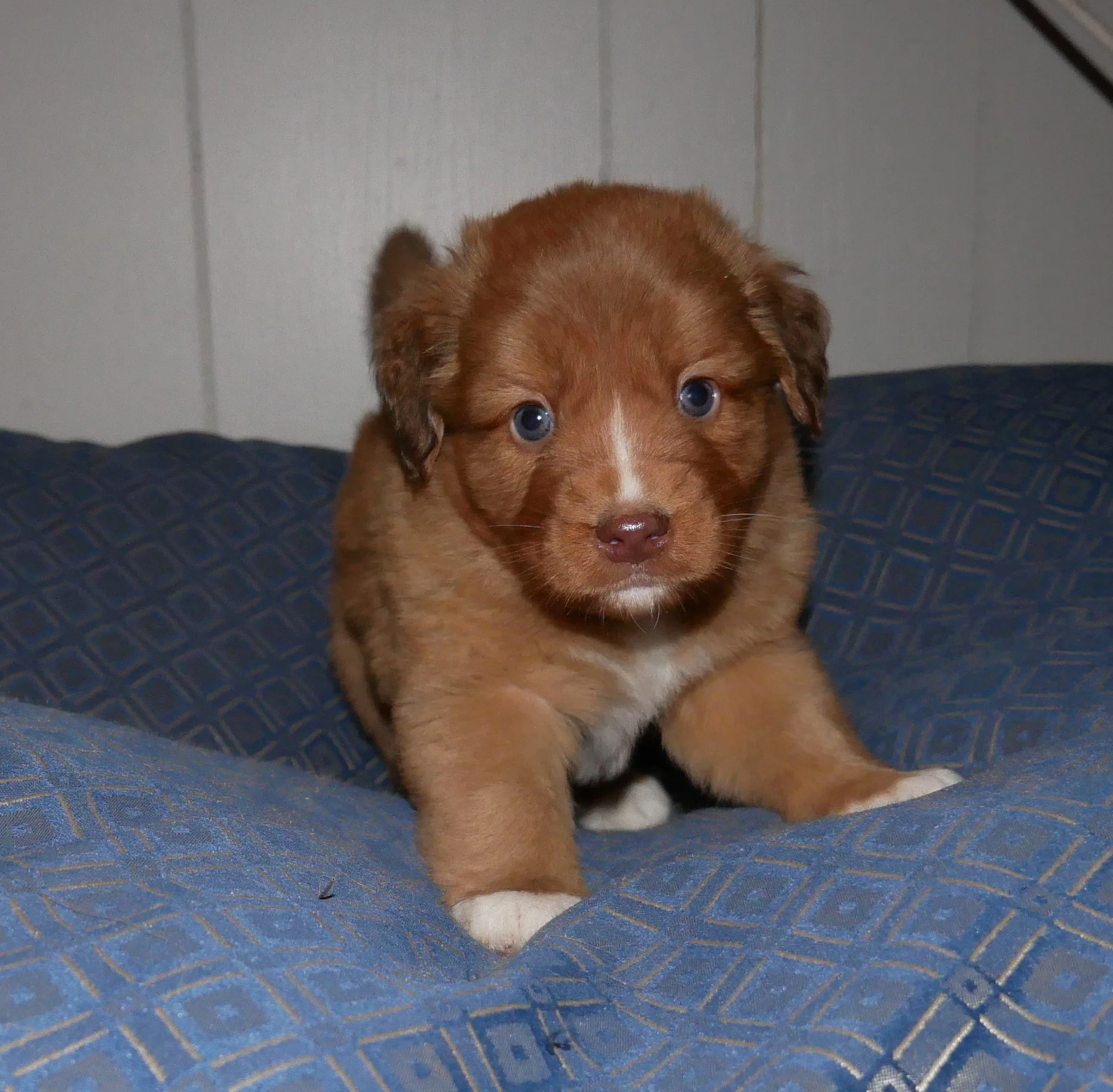
Tollers are intelligent, athletic, affectionate dogs with a lot of personality packed into a medium-sized frame.
They are often described as high-energy working dogs, and that is true to a point, but in our experience they are also extremely adaptable. They tend to become very connected to their people and usually do best in homes where they are included in everyday life.
They are not the right breed for everyone, but for the right family they can be incredible companions.
Personality
One of the things we love most about Tollers is how much personality they have.
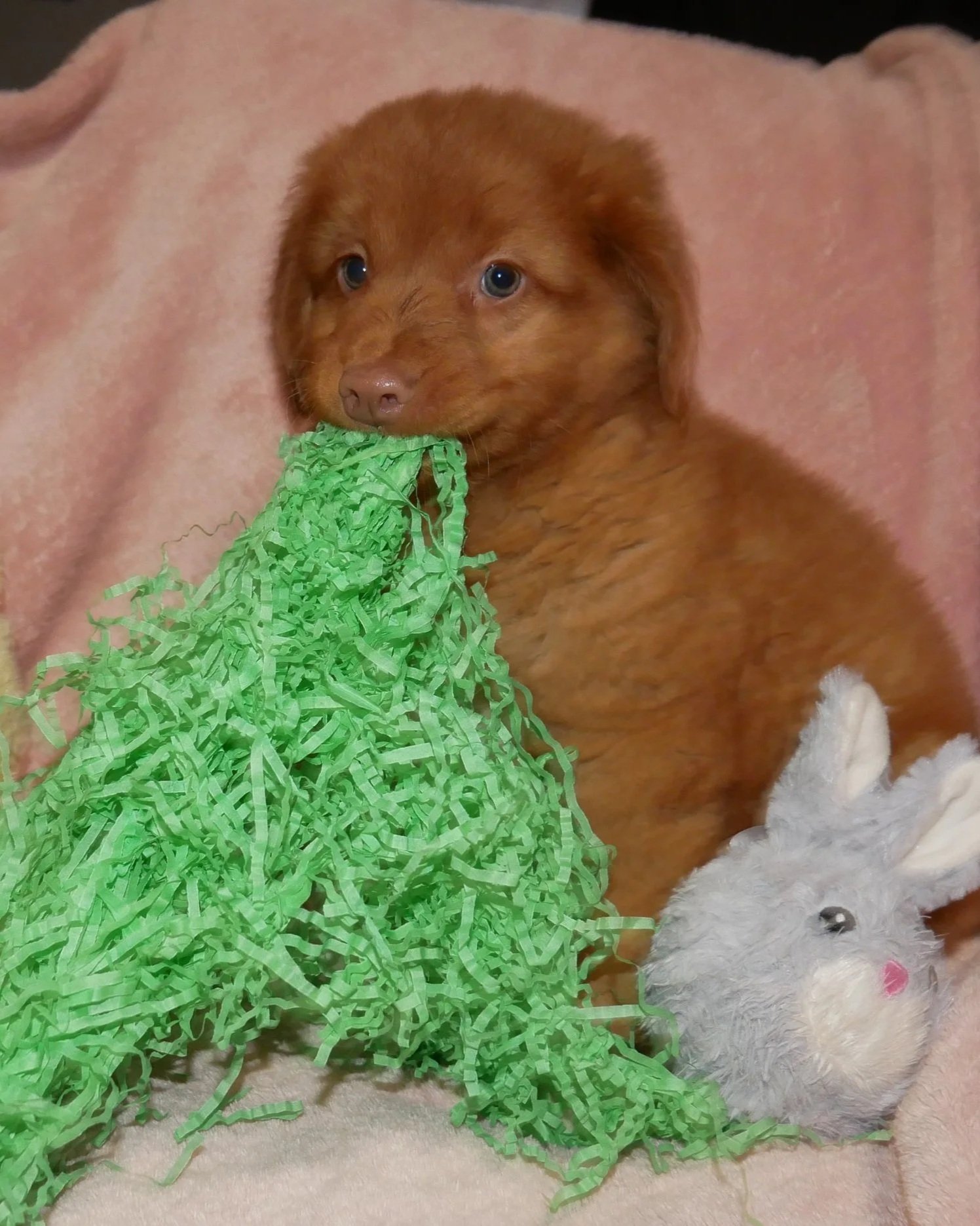
They are smart, expressive, curious, and usually very aware of everything happening around them. Some are outgoing and social with everyone they meet, while others are a little more reserved.
What they tend to have in common is a strong attachment to their people.
Most Tollers want to be involved. If you are outside, they want to be outside. If you are sitting on the couch, they usually want to be nearby. If something is happening, they want to know about it
Energy Level
Tollers are an active breed, but we think their energy level sometimes gets overstated.
They enjoy running, swimming, retrieving, hiking, training, and having something to do, but that does not mean every Toller needs to live in a competition home or exercise for hours every day.
A lot depends on the individual dog and the lifestyle they grow up in.
Our dogs have very different personalities and energy levels, and all of them are perfectly capable of relaxing around the house when nothing is going on.
Regular exercise, mental stimulation, and involvement with the family usually go a long way.
Training
Tollers are extremely intelligent and extremely trainable.
They learn quickly and tend to respond well to consistency and positive interaction. That intelligence can work both ways, though. They are just as capable of learning habits you did not intend to teach them.
We also believe Tollers are very adaptable.
The dog you bring home at eight weeks old is still developing, and your environment, routine, expectations, and training will have a tremendous influence on the adult dog they become.
That is one reason we do not put too much weight on trying to predict an eight-week-old puppy’s exact adult personality.
Tollers and Children
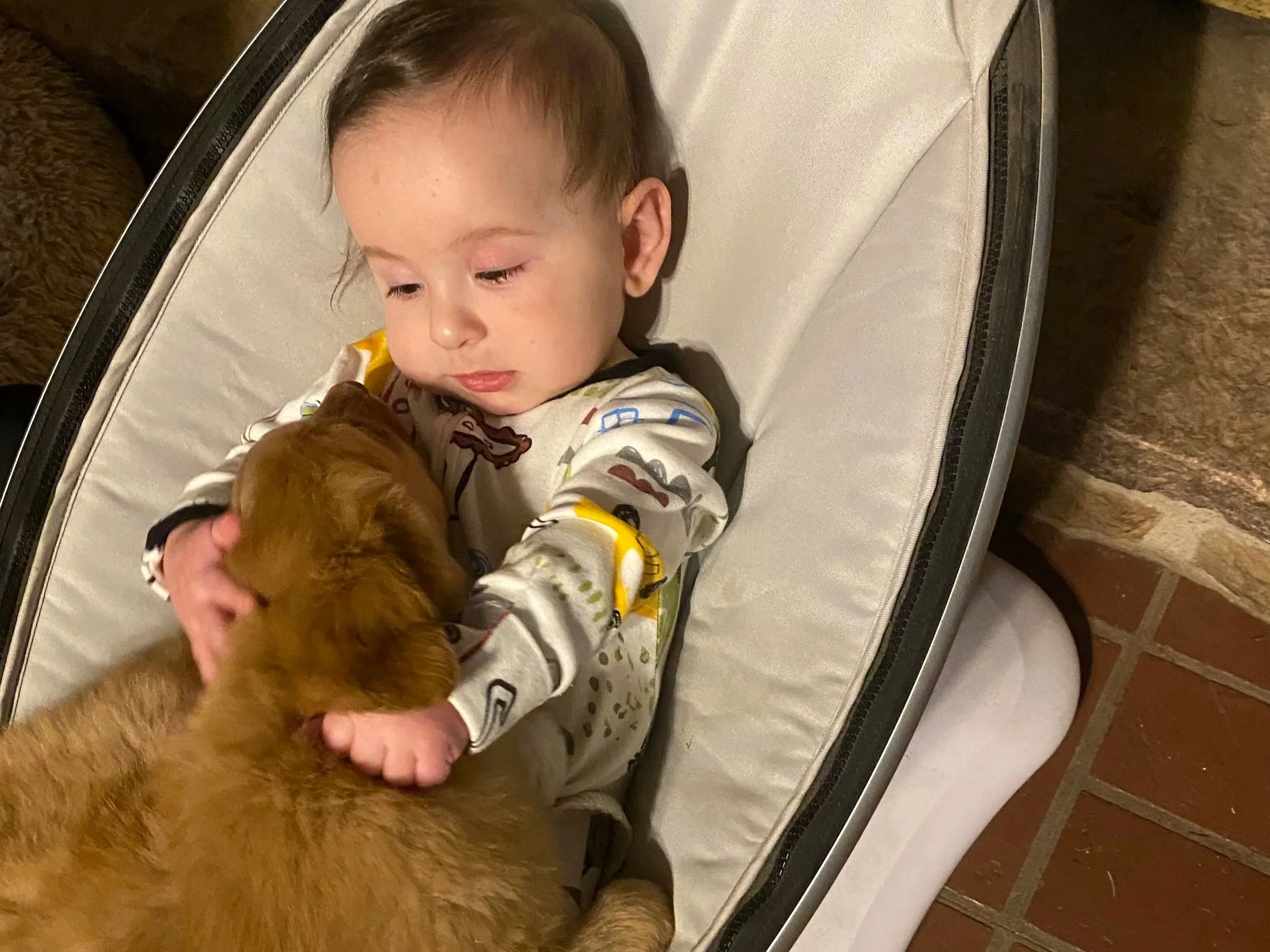
Our Tollers are raised around children, and patience with kids is something we value highly in our dogs.
We have found the breed to be affectionate, involved, and generally very comfortable being part of family life.
As with any dog, children should be taught how to interact respectfully with animals, and young children and dogs should be supervised together.
But for families looking for a dog that wants to participate in everyday life, Tollers can be a great fit.

Other Dogs and Animals
Most Tollers can live very happily with other dogs.
They are generally social and adaptable, especially when raised around other animals from a young age.
As a sporting breed, many do have prey drive, so individual dogs may show interest in rabbits, birds, squirrels, or other small animals.
How they behave around other pets can depend quite a bit on the individual dog, early exposure, and training.
General Information
Size
Tollers are a nice middle ground for people who want an athletic dog without having a very large breed.
Males are generally larger and heavier than females, but there can be plenty of variation within the breed.
Our own dogs range from the mid-30-pound range into the 50s.
They are large enough to feel substantial, but still small enough to fit comfortably into everyday life.
Coat and Shedding
Tollers have a double coat designed for working in cold water.
They do shed, and shedding can increase considerably during seasonal coat changes.
Regular brushing helps keep the coat manageable, but this is not a non-shedding breed.
Their coat is generally fairly easy to maintain and does not require complicated grooming.
The Famous Toller Scream
Yes, it is real.
Some Tollers make a very distinctive high-pitched sound when they get excited. This is usually what people are referring to when they talk about the “Toller scream.”
Some dogs are much more vocal than others.
If you have never heard one before, it can be surprising the first time.
Water and Retrieving
Tollers were bred to work around water, and many of them absolutely love it.
Swimming, retrieving, chasing toys, and playing around ponds or pools come very naturally to a lot of Tollers.
That said, every dog is an individual. Some are obsessed with retrieving from the beginning, while others need a little more encouragement.
FAQs About the Breed
Apartment or Country Living?
We do not think a Toller needs acreage to be happy.
A dog living on ten acres but receiving little attention may have a less fulfilling life than one living in town that gets regular walks, training, outings, and family interaction.
Space is nice, but involvement matters more.
Tollers can adapt to a variety of living situations as long as their physical and mental needs are being met.
Do They Need a Job?
Not necessarily in the formal sense.
Tollers do enjoy having something to do, but that “job” can be very simple.
Fetching a ball, learning new commands, hiking with the family, swimming, playing games, going for rides, or simply being involved in daily life can provide plenty of stimulation.
They generally do not do as well when they are ignored and expected to entertain themselves all day.
Are Tollers Difficult Dogs?
We would not describe them that way.
They are smart, active, and sometimes opinionated, so they may be more dog than someone wants if they are looking for a very passive companion.
But they are also incredibly trainable, affectionate, and adaptable.
For people who enjoy interacting with their dogs and are willing to provide reasonable structure and activity, Tollers are often very rewarding to live with.
Why We Love Them
For us, the appeal of the Toller is the combination.
They are athletic without being enormous, intelligent without feeling robotic, affectionate without losing their independence, and capable of being active outdoors one minute and curled up beside you the next.
They are fun dogs.
They have personality, they keep life interesting, and they tend to become deeply connected to the people they live with.
That is why, after more than a decade with the breed, we still enjoy them as much as we do.
LEARN ABOUT OURS!